
Teaching Overview
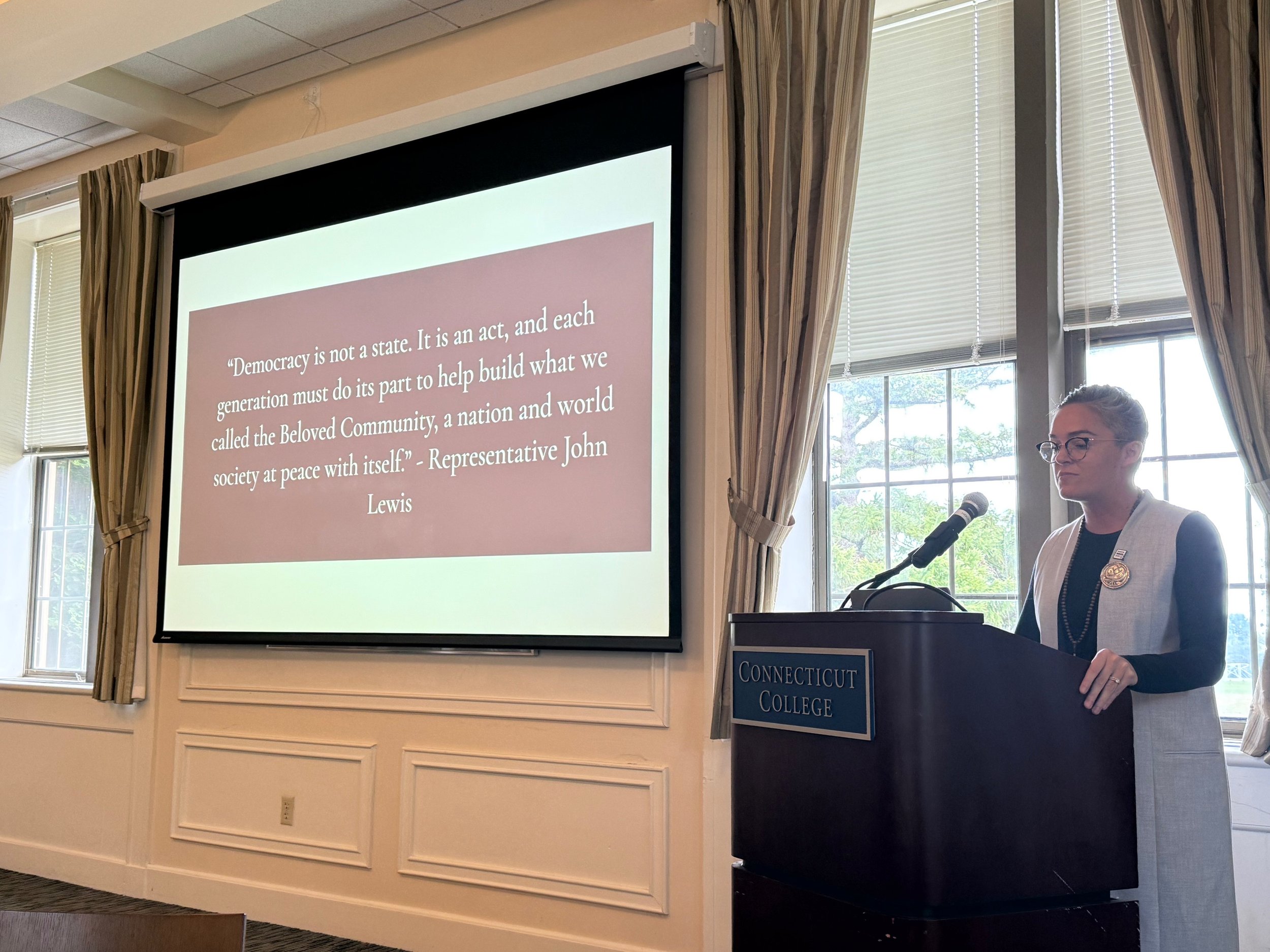
My approach to teaching is grounded in a conviction borrowed from art historian Sarah Lewis: “masters are not masters because they take a subject to its conceptual end— they are masters because they realize there isn’t one.” That idea is the beating heart of what I emphasize in my classroom: an environment where intellectual risk-taking is not just permitted but expected, where mistakes are evidence of engagement rather than failure, and where the pursuit of mastery is understood as a lifelong orientation rather than a destination.
Teaching American politics makes this philosophy both more necessary and more demanding. The subjects I teach— elections, voting rights, party politics, urban governance, the long history of American political development— intersect with some of the most polarizing and emotionally charged questions facing the country. Students arrive with strong priors, shaped by family, media, and lived experience. My goal is not to dislodge these priors, but to give students the analytical tools to examine them— to shift from being told what to think about politics to learning how to think about it as a social scientist who takes history seriously.
American Political Development as a Teaching Framework
Every course I teach is organized by the same foundational questions: how did we get here, and why does it matter? These questions are the hallmark of American Political Development scholarship, and run through every course I teach, from my introductory survey of American politics where we spend the first half of the course assessing the development of civil rights and civil liberties in the context of American federalism, to my upper level seminar in American Political Development where we dive deeply into topics like the development of the administrative state, and the historical role of labor organizations in American politics.
No matter the course, I encourage students to understand the contemporary institutions we study— Congress, the presidency, the courts, the rules governing who and how can vote, even political campaigning— not as fixed features of a landscape or static policy decisions, but as the products of historical contestation, path-dependent choices, and ongoing struggle. A voting law is not just a policy passed by a state legislature; it is the most current iteration in a centuries-long argument about who belongs as a member of the polity and on what terms. An educational flyer campaign designed by a local election office isn’t just a informative resource for voters. It is the product of decades of iterative experimentation, design, and learning across a network of thousands of local election jurisdictions. A president does not come into office with a blank slate and wholesale license to remake American politics and policy, but within the broader context of a political regime and a moment in time that expands or limits their capacity to govern.
Trust, Risk, and the Classroom
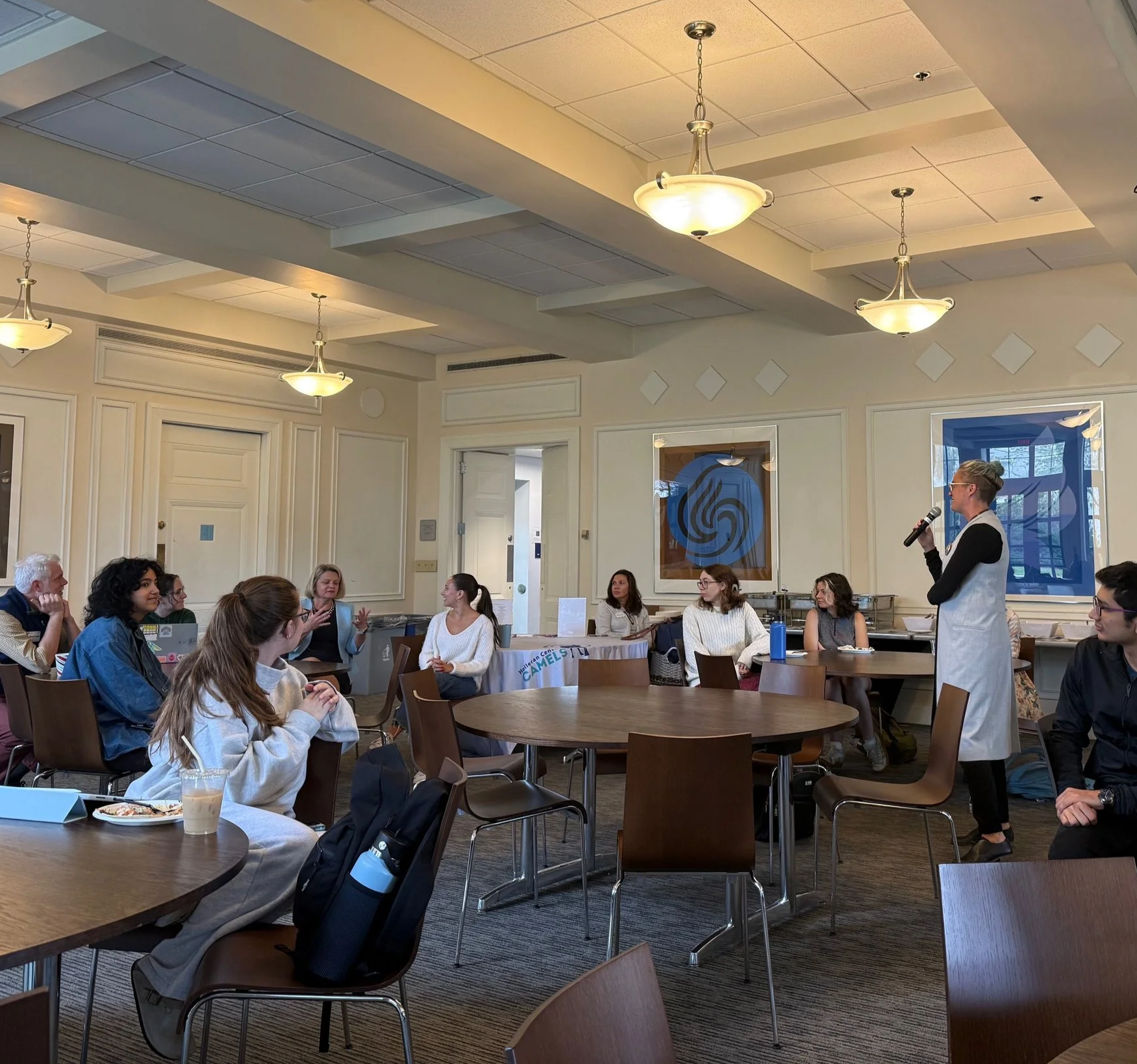
The APD framework gives my courses their intellectual spine. But what makes them work— what allows students to engage seriously with difficult and sometimes destabilizing material— is moving at the speed of trust. Challenging students to think like social scientists, to hold perspectives they disagree with, to sit with the discomfort of evidence that cuts against their priors: none of that is possible without a classroom culture in which students feel genuinely safe to make mistakes, to question, and to change their minds.
I build that culture through what I call boundaried vulnerability— modeling intellectual honesty and openness to being wrong without making the classroom about my experiences alone— and through an approach of unconditional positive regard: the conviction that every student already has the capacity for the kind of thinking I am asking of them, and that my job is to create the conditions for that capacity to be realized.
Research Mentorship
I have served as the honors thesis director for four students since 2018— an undertaking that is unusual for pre-tenure faculty at a teaching-intensive institution. I took these theses on because I believe closely mentored original research is among the most important educational experiences for any student to have, regardless of their level of study.
Honors theses at Connecticut College are dissertation-length projects developed over two academic years, requiring original research design, primary source work, data collection and analysis, and sustained scholarly argumentation. I work with students through every stage: proposal drafting, weekly check-ins, collaborative writing sessions, and careful feedback on early and rough drafts.
Each of my thesis students have earned top marks for their research, and gone on to do work that reflects the passion and curiosity that brought them to write honors theses in the first place, be it engaging in environmental advocacy in the halls of Congress, studying election administration in graduate school, or working to protect immigrants’ legal rights and protections.
Courses
Introduction to American Politics
Campaigns, Parties, and Elections
The Politics of Voting Reforms (Election Administration in the United States)
Urban Politics
U.S. Presidential Primaries and Nominations (Seminar)
Congress and the Legislative Process
The American Presidency
American Political Development (Seminar)
Democratic Theory (in development)